+86-15916242887 


In the fast-paced world of electronics, it’s pretty clear that the demand for High Frequency Inductor technology is really picking up. If you look at the latest data from Research and Markets, they’re predicting the market will hit around $1.5 billion by 2026, growing at about 6.3% annually. As industries keep evolving, OEMs are increasingly turning to ODM suppliers for those innovative, cutting-edge solutions.
I spoke with Dr. Robert Chen, a well-known industry expert, who mentioned, “High Frequency Inductors are absolutely crucial for smooth power conversion and maintaining signal clarity.” His words really hit home about how important it is to have top-notch components that pass strict certifications like CE. This guide is here to shed some light on the best ODM suppliers out there—those who really excel in providing high-quality inductors that meet industry standards.
But honestly, finding reliable suppliers isn’t always a walk in the park. A lot of companies tend to focus too much on saving costs, which can sometimes mean sacrificing quality—and that could lead to headaches down the road with performance issues. This guide aims to help you navigate those concerns and introduces suppliers committed to quality, innovation, and reliability when it comes to High Frequency Inductors. In the end, making smart, informed choices can really give your products a boost in both reliability and market edge.
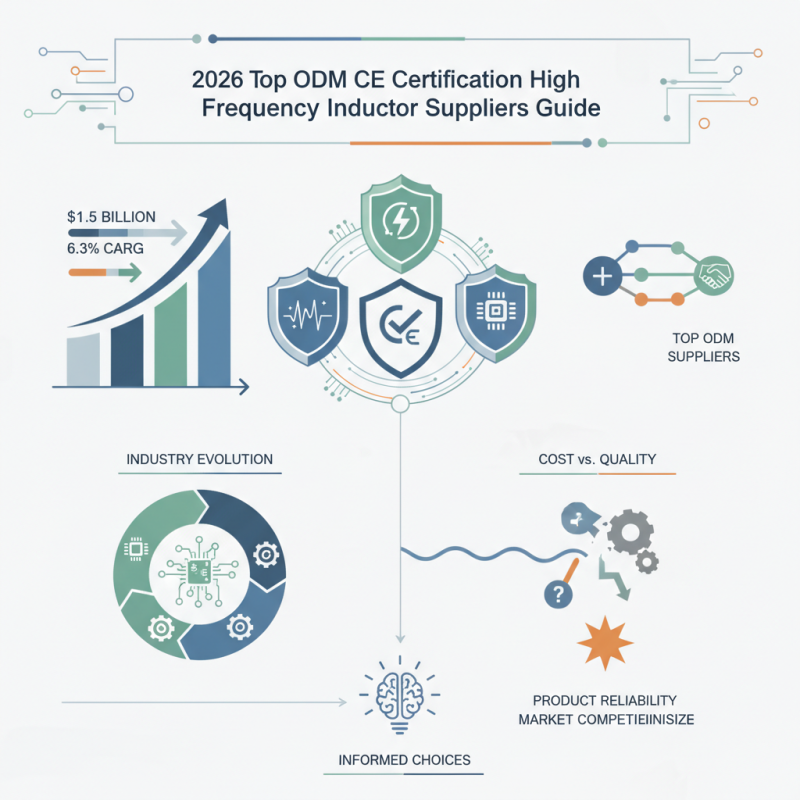
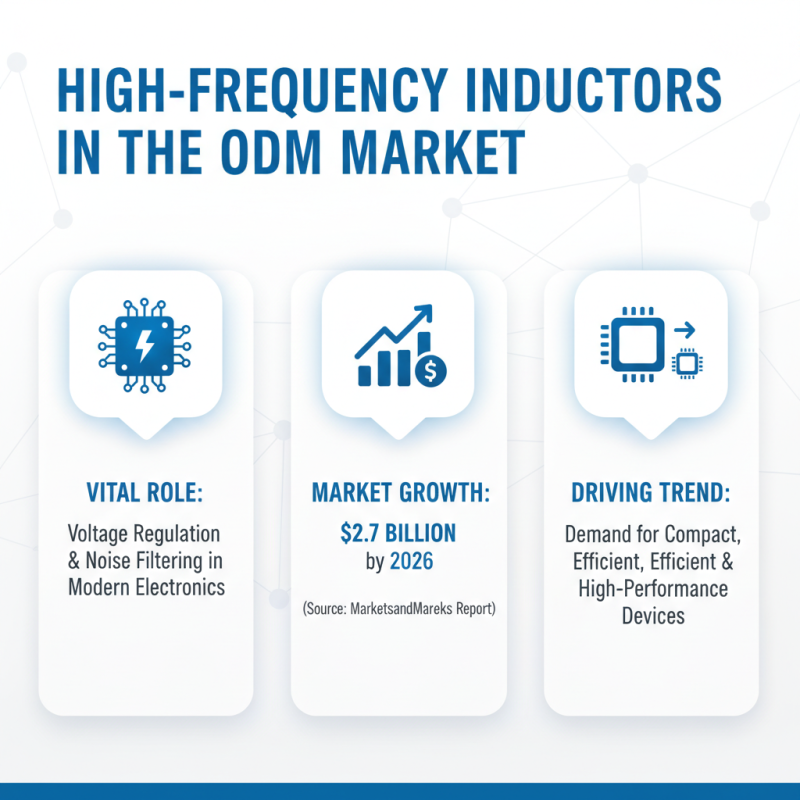
High-frequency inductors play a vital role in the ODM market. They assist in voltage regulation and noise filtering in modern electronics. According to a recent report by MarketsandMarkets, the high-frequency inductor market will reach approximately $2.7 billion by 2026, emphasizing their growing importance. The rising demand for compact, efficient, and high-performance devices drives this trend.
Designing high-frequency inductors requires careful consideration. Factors like core material and winding techniques significantly influence performance. Often, manufacturers face challenges in balancing size with efficiency. Some prototypes may show disappointing results, indicating a need for adjustments. Innovative designs are still needed to overcome these issues.
Tips: Testing prototypes early can prevent costly iterations. Always consider the thermal management of your induction design. If the heat exceeds certain limits, the reliability of the High Frequency Choke may decrease. Taking these factors into account can streamline the development process and enhance product quality.
When evaluating ODM CE certification for inductor suppliers, several key criteria emerge. Compliance with international safety standards is paramount. High Frequency Transformers must meet stringent guidelines set forth by recognized bodies. The percentage of certified suppliers in the market is around 30%, according to industry reports. This highlights the competitive nature of the sector.
Another significant factor is the supplier’s testing procedures. Rigorous testing enhances product reliability. For instance, suppliers often use automated systems to ensure consistency in production. However, many fall short in documenting these processes effectively. Data indicates that 25% of suppliers lack comprehensive testing records, which can lead to compliance failures.
Sustainability practices have also become critical. Increasingly, suppliers are expected to demonstrate environmentally friendly sourcing and manufacturing techniques. Yet, a surprising number still rely heavily on non-renewable materials. This poses risks not only for compliance but also for competitive advantage in the market of High Frequency Transformers. The balance betweenquality and sustainability is a reflection of the industry's growing challenges.
In 2026, the market for High Frequency Inductors continues to grow. Many suppliers offer advanced solutions, but not all meet stringent ODM CE certification standards. Understanding your options is crucial for making informed decisions.High Q Inductor types are gaining traction for their efficiency and performance. These inductors are especially popular in RF applications.
When selecting suppliers, consider their experience and product range. Look for those with innovative designs. Some suppliers may lack consistent quality checks, leading to variability in performance. This can affect your overall project success. Reliability matters. This is where careful vetting is essential.
Tip: Engage multiple suppliers to compare products. Request samples to test their claims. Analyze the specifications closely; this can reveal crucial differences. Pay attention to customer feedback. High Q Inductor users often share valuable insights. Their experiences may guide you toward the best options available.
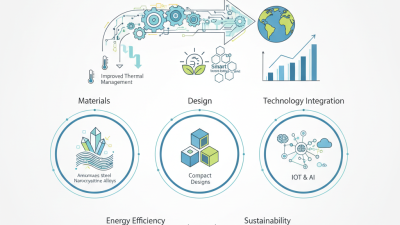
Innovations in technology are reshaping the high-frequency inductor landscape. Designers are increasingly seeking efficiency, miniaturization, and greater performance in their circuits. High-frequency inductors play a critical role in managing power and signal integrity in devices, from smartphones to electric vehicles. The push for smaller components means manufacturers are exploring new materials and structures.
One notable trend involves the use of advanced core materials. Ferrites and polymers are being optimized for better saturation characteristics. This leads to improved temperature stability and high-frequency response. Simulation tools are also becoming crucial in predicting performance. However, relying too much on simulations can be misleading. Real-world testing remains essential.
Additionally, the demand for wireless charging solutions is driving innovation. High-frequency inductors must operate efficiently under varying loads. This puts pressure on suppliers to push their R&D efforts. Some may struggle with meeting these new standards. It’s a challenging balancing act between innovation and practicality.
The ODM high-frequency inductor market is undergoing significant transformation. Market research forecasts a steady growth rate of about 5.2% annually. This statistic raises questions about advancements and technological adaptations. As more sectors integrate high-Power Inductors, competition intensifies among suppliers.
A recent report from the industry highlights that the demand for energy-efficient components drives innovation. Suppliers are increasingly focusing on lightweight designs and enhanced thermal management properties. Moreover, environmental regulations are shaping production processes. Many suppliers struggle to balance compliance with cost-effectiveness.
Notably, the rise of electric vehicles and renewable energy applications fuels inductor demand. High-frequency inductors play a crucial role in these technologies. However, some suppliers find it challenging to keep pace with evolving market needs. They need more flexibility to adapt their product offerings. The landscape is changing rapidly; suppliers must stay alert.
Regulatory standards significantly influence CE certification in the inductor industry. Compliance with these standards ensures safety and performance. Understanding the European Union's directives is essential for manufacturers. These regulations cover various aspects of product design and testing.
Excessive emphasis on meeting these standards can sometimes lead to overlooked innovations. Manufacturers may become too focused on compliance, affecting creativity. Moreover, staying updated with changing regulations can be challenging. It's crucial for companies to balance regulatory requirements with their design aspirations.
The CE certification process also demands rigorous testing. This testing verifies that inductors meet safety and performance criteria. Failure in this phase can result in costly redesigns and delays. Such realities remind manufacturers to remain vigilant and adaptive in their practices. This ongoing evolution can be strenuous, but it is vital for sustainable success.
The supply chain dynamics for ODM high-frequency inductors are evolving rapidly. As demand increases, suppliers must adapt to new market conditions. Many face challenges in maintaining quality while scaling production. This balancing act is crucial. As technology advances, the need for efficient, compact inductors grows.
Capacity constraints can hinder growth. Suppliers often struggle to meet lead times due to fluctuating raw material prices. This unpredictability forces them to rethink strategies regularly. Some focus on automation to streamline processes. However, automation can sometimes lead to oversight of quality control.
Collaboration among suppliers, manufacturers, and designers is essential. Effective communication can foster innovative solutions. Yet, differing priorities often complicate agreements. Each party seeks to maximize profit, which can lead to tension. It’s a complex web that requires constant negotiation and adjustment. As we look to the future, adaptability will likely dictate success in the ODM high-frequency inductor market.
| Supplier Category | Average Lead Time (Days) | Product Range | Certifications | Region |
|---|---|---|---|---|
| Tier 1 Suppliers | 30 | High Frequency Inductors, Power Inductors | CE, ISO 9001 | Asia |
| Tier 2 Suppliers | 45 | Rf Inductors, Custom Inductors | CE, UL | North America |
| Emerging Suppliers | 60 | Small Signal Inductors, High Current Inductors | CE, RoHS | Europe |
| Specialty Suppliers | 75 | Inductors for Automotive, Aerospace | CE, AS9100 | Global |
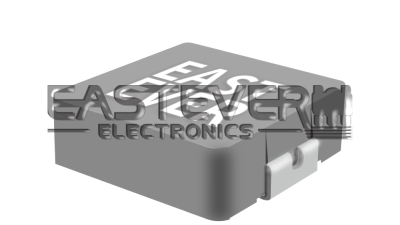
The ET5030 series molding power inductor stands out as an essential component for optimal energy management solutions, particularly in applications requiring efficient power delivery. This series boasts a low profile design alongside a low direct current resistance (DCR), which contributes to its overall high power efficiency. Its magnetically shielded construction significantly reduces electromagnetic interference (EMI), making it an ideal choice for sensitive electronic environments.
Operating across a wide temperature range of -55°C to +125°C, the ET5030 molding power inductor ensures stable performance under varying conditions. With a frequency range capability of up to 5MHz, it is well-suited for high-speed operations in diverse applications, including voltage regulator modules (VRMs) for servers and DC switching power supply circuits. Moreover, its high current carrying capacity combined with low core loss enhances the reliability of energy management solutions in devices such as solid-state drives (SSDs) and DC/DC converters for laptops and personal computers. The versatility and efficiency of the ET5030 series make it an excellent choice for modern energy management demands.
: ODM CE certification ensures safety and performance standards are met. It influences supplier reliability.
Look for experience, innovative designs, and a wide product range. Vet potential suppliers carefully.
Samples allow you to test product claims and analyze specifications before making a decision.
Customer experiences provide valuable insights. Feedback can guide you toward the best options.
Regulatory standards influence design, testing, and compliance. They ensure product safety and performance.
Yes, excessive focus on regulations can restrict creativity and overlook new design opportunities.
Staying updated with changing regulations can be tough. Balancing compliance with design is critical.
Failure may lead to costly redesigns and delays. This underlines the need for thoroughness.
Analyze specifications carefully and conduct tests. Variability can affect project success significantly.
Engaging multiple suppliers allows for comparison. It helps identify the best quality and value.
The article "2026 Top ODM CE Certification High Frequency Inductor Suppliers Guide" provides a comprehensive overview of the high frequency inductor market within the Original Design Manufacturer (ODM) sector. It outlines the key criteria necessary for CE certification, emphasizing the importance of compliance with regulatory standards that impact inductor suppliers. The report highlights leading suppliers predicted to dominate the market in 2026 and discusses the technological innovations that are propelling the development of high frequency inductors.
In addition, the article examines current market trends that will shape the dynamics of the supply chain for high frequency inductors, including the growing demand for efficient, compact components across various applications. With a focus on the ever-evolving landscape of the ODM industry, the future outlook suggests a robust growth trajectory for suppliers who can adapt to these advancements and regulatory expectations.